Urban Safaris Are on the Rise! Here’s Where You Can Try It
Wildlife adventures are no longer limited to remote forests or vast national parks. A growing number of travelers are finding unforgettable animal encounters right in the middle of busy cities. This fresh travel trend, called an urban safari, is changing how people experience nature.
Instead of driving for hours into the wilderness, visitors are spotting birds, mammals, and even large predators close to city streets. The mix of modern skylines and thriving wildlife creates an experience that feels surprising, exciting, and completely different from a traditional safari.
Cities Are Making Room for Nature Again
Trip Guide / One of the biggest reasons behind this trend is the global push to make cities greener. Parks, wetlands, forests, and rivers are being restored, giving wildlife a chance to return.
These projects are improving city life while creating natural habitats that attract animals once pushed away by development.
Travelers are benefiting from these changes as nature becomes easier to reach. Instead of planning expensive trips to remote locations, they can enjoy memorable wildlife encounters during a city break. The result is a travel experience that feels fresh without requiring a long journey.
London is a great example of this transformation. Historic wetlands have been restored, and a 14-mile nature corridor now stretches across the eastern part of the city. These green spaces have welcomed back birds, insects, and mammals that had disappeared from many urban areas.
Singapore has also become a leader in urban greening with its famous vertical gardens and lush parks. New York’s High Line has turned an old railway into a thriving green space filled with plants, birds, and insects. These projects prove that wildlife can thrive even in crowded cities.
Travelers Are Seeing Wildlife in a New Way
People are paying more attention to local wildlife than ever before. Nature documentaries have encouraged viewers to appreciate the animals living much closer to home. Birds, foxes, bats, and even large mammals are now seen as exciting attractions instead of everyday background sights.
This shift has made urban safaris feel more personal. Watching wildlife in familiar surroundings creates a stronger connection because visitors do not expect these moments. Spotting a wild animal against a backdrop of skyscrapers often becomes one of the most memorable parts of a trip.
The Best Cities for an Urban Safari
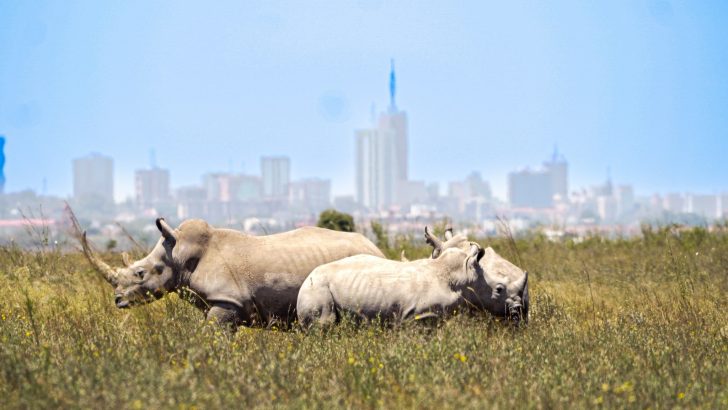
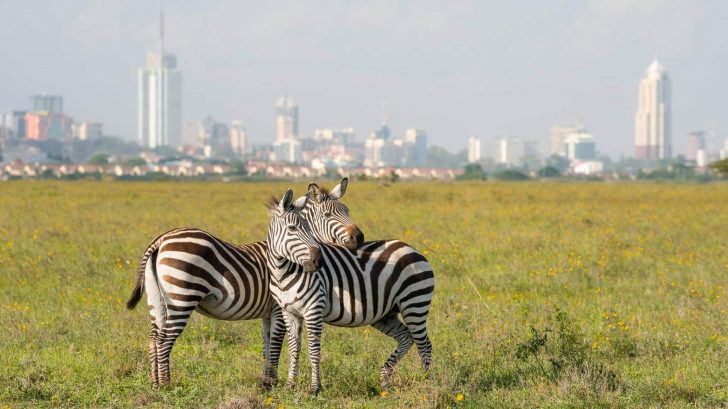
Nairobi / IG / Nairobi stands out as one of the world’s greatest urban safari destinations. Nairobi National Park sits just outside the city, creating a remarkable scene where wild animals roam with the capital’s skyline rising behind them.
It is one of the few places on Earth where visitors can see lions and skyscrapers in the same view.
The park is home to lions, leopards, cheetahs, hyenas, giraffes, zebras, and endangered black rhinos. Some travelers even book helicopter flights for a bird’s-eye view of both the wildlife and the city. The experience feels unlike any traditional safari.
London offers a completely different kind of adventure. The London Wildlife Trust organizes guided visits to dozens of free nature sites spread across the city. Visitors often spot kingfishers, beavers, peregrine falcons, and rare stag beetles hidden among parks and rivers.
The city’s successful rewilding efforts continue to attract more species every year. Even famous landmarks have become nesting spots for birds of prey. That unusual combination of history, architecture, and wildlife makes London an unexpected safari destination.
Austin, Texas, has earned worldwide attention for its incredible bat population. Every evening during warmer months, millions of Mexican free-tailed bats emerge from beneath the Congress Avenue Bridge. Watching the massive swarm fill the evening sky has become one of the city’s biggest attractions.