The Rise of Gwyneth Paltrow as GOOP Boss
Gwyneth Paltrow didn’t just ride Hollywood fame into business. The 52-year-old actress flipped it into a movement. In 2008, she hit “send” on a lifestyle newsletter from her kitchen table. It was casual. Travel tips, clean recipes, and a bit of aspirational flair. That email grew into GOOP, a bold, bizarre, wildly successful wellness empire now valued at $433 million.
The name of the brand comes from Paltrow’s initials and her childhood nickname, “Goopie.” It was never built to be subtle. That personal touch is what made it sticky, strange, and strangely powerful.
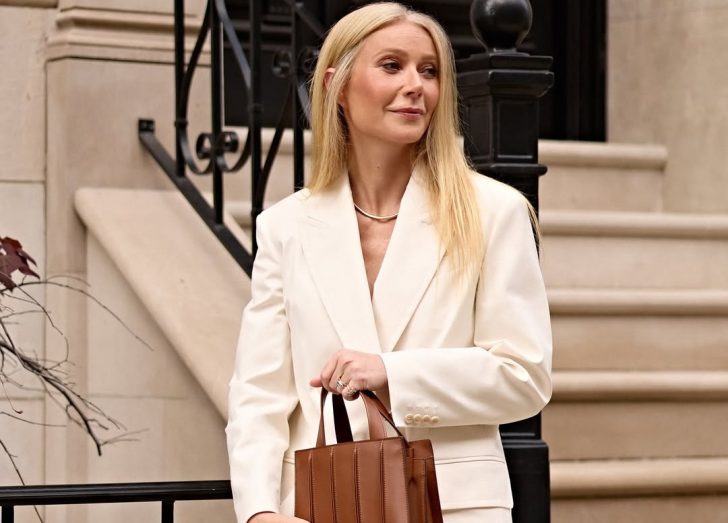
Paltrow / IG / Gwyneth Paltrow’s GOOP journey started with heartbreak. Her dad’s cancer pushed her deep into health, food, and alternative healing.
That grief shaped her worldview, and she began asking bigger questions about life, wellness, and balance.
She was building a space that reflected her own questions. Her early content felt real, if a bit high-end. She offered what worked for her, no matter how weird it seemed.
Celebrity Capital
At first, Gwyneth Paltrow did what every A-lister did. The “Iron Man” actress endorsed big brands like Estée Lauder. Then she got smart. Why build someone else’s brand when she could build her own? GOOP became her platform to sell both products and a point of view. Mind you, this wasn’t just content. It was “contextual commerce,” a blend of stories and stuff to buy.
However, the brand once became a victim of controversies. The jade egg. The candle that smelled like a vagina. The $1850 watches. Gwyneth Paltrow leaned into luxury, shock, and pseudo-science like it was a business model. GOOP didn’t just sell products. It sold conversation. And controversy became free marketing.
Critics called it quackery. Medical pros warned it was dangerous. But the clicks rolled in, and sales followed. Paltrow knew controversy could power her brand. She wasn’t trying to please everyone. She was trying to dominate headlines.
Elitism and Aesthetics
From day one, GOOP had a look: Thin, white, wealthy, gluten-free. It felt curated for people with money to burn and time to detox. That aesthetic drew fire. It also created a tribe. To some, it was exclusionary. To others, it was aspirational and exact.

Paltrow / IG / Even if you have never bought a GOOP product, you have felt its influence. Clean beauty? GOOP helped make it standard. Intermittent fasting? GOOP pushed it long before it was cool.
Even GOOP’s early fans noticed the price tags. This was about showing what the top 1% were doing and letting you buy a piece of it if you could afford it. Inside GOOP, it wasn’t all jade eggs and face serums. Paltrow ran a tight ship. Former employees said it was tough, chaotic, and obsessed with perfection. The pressure grew as GOOP stretched into beauty, fashion, and Netflix.
Paltrow wanted to control every detail. That meant long hours and fast pivots. But her hustle was real. GOOP wasn’t just a hobby. It was an empire in motion, with her at the center of the storm.
Paltrow didn’t invent these ideas, but she made them pop culture. She packaged fringe trends in glossy photos and made them dinner-table topics. GOOP blurred the line between woo-woo and wellness until it all felt normal.
As GOOP caught fire and flak, Paltrow shifted gears. The brand added science advisors and quietly cut some of the weirdest items as the company doubled down on high-margin verticals like beauty and fashion.