All the Reasons Why Rajgir, India, is Your Go-to Spot for Nature and Spiritual Travel
Some places leave you refreshed. Others leave you inspired. Rajgir, a historic town in Bihar, India, manages to do both. Surrounded by green hills and filled with centuries of history, it offers a rare mix of natural beauty and deep spiritual meaning.
Rajgir has welcomed travelers for thousands of years. Kings ruled here. Great teachers walked its paths. Buddhist monks meditated in its hills, and Jain saints found peace in its quiet surroundings. Today, visitors come for the same reason. They want to slow down, reconnect with nature, and experience a place that still feels timeless.
If your idea of travel includes fresh air, beautiful views, sacred landmarks, and fascinating stories, Rajgir deserves a place on your travel list.
Nature Makes Rajgir Feel Like a Hidden Retreat
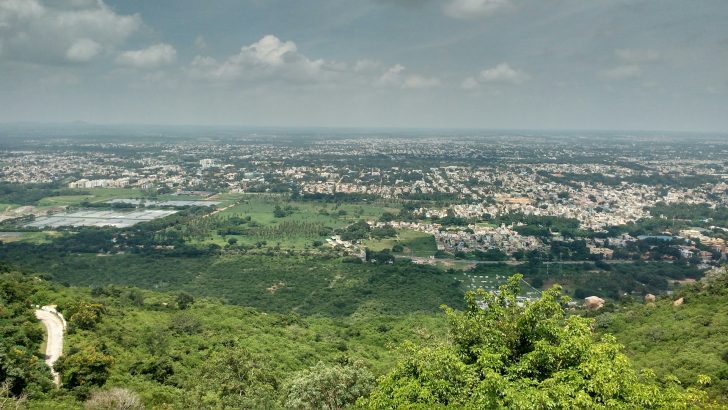
Gagan / Unsplash / Rajgir sits in a valley surrounded by five rocky hills, creating one of the most scenic landscapes in eastern India.
The hills add a peaceful atmosphere that feels very different from crowded cities. Early mornings bring cool breezes, singing birds, and quiet walking trails that invite visitors to slow their pace.
The area’s natural beauty changes with the seasons. During the monsoon, the hills turn lush green, making the landscape even more striking. Winter offers pleasant temperatures that are perfect for sightseeing and outdoor adventures. Every season gives Rajgir its own unique charm.
One of the town’s most popular attractions is the Venu Van, also known as the Bamboo Grove. According to Buddhist tradition, King Bimbisara gifted this peaceful garden to Lord Buddha for meditation. Today, visitors stroll through shaded pathways, relax beside the calm pond, and enjoy the soothing sounds of nature.
Another highlight is the Rajgir Wildlife Safari and Nature Safari. Families and adventure lovers enjoy exploring the forest while spotting native wildlife and learning about the region’s biodiversity.
A Spiritual Destination With Deep Roots
Rajgir holds a special place in both Buddhism and Jainism. Lord Buddha spent several years here and delivered many important teachings. Many followers believe some of Buddhism’s earliest discussions took place in this peaceful valley.
One of the town’s most famous landmarks is Griddhakuta Hill, also called Vulture’s Peak. Visitors can reach the hill by hiking or riding the scenic ropeway. The hill offers breathtaking views and a quiet setting that still attracts monks, pilgrims, and travelers seeking reflection.
At the top stands the Vishwa Shanti Stupa, also known as the World Peace Pagoda. Built by the Japanese Buddhist organization Nipponzan Myohoji, the white stupa symbolizes peace and harmony across nations. The peaceful surroundings encourage visitors to pause, reflect, and enjoy the silence.
History Lives Around Every Corner
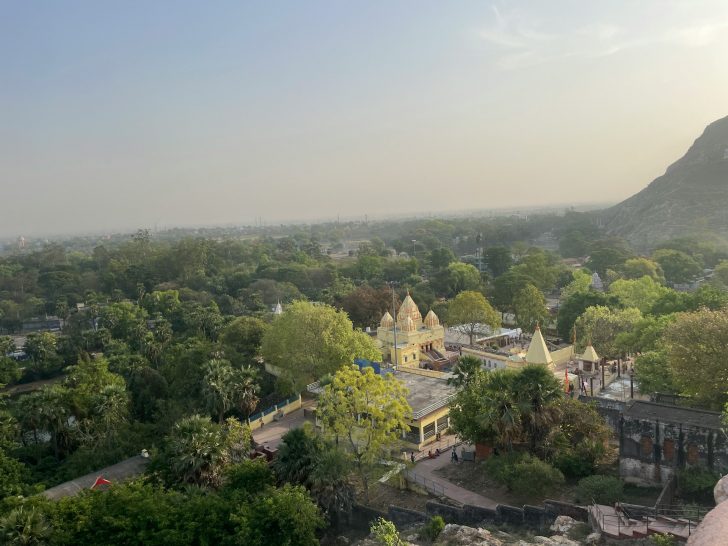
Loom / Unsplash / Rajgir is one of India’s oldest cities, and its history stretches back more than 2,500 years.
It served as the first capital of the ancient Magadha Kingdom before the capital moved to Pataliputra, now modern-day Patna. This rich past gives every street and monument a story worth discovering.
The Cyclopean Wall remains one of Rajgir’s most remarkable historical sites. Built using massive stones without mortar, the ancient fortification stretches for nearly 40 kilometers around the valley. Historians consider it one of the oldest surviving stone walls in India.
However, Rajgir is equally important for followers of Jainism. It is closely associated with Lord Mahavira, the 24th Tirthankara, who spent several rainy seasons in the region. Ancient Jain temples spread across the surrounding hills continue to welcome pilgrims from across India and beyond.