Greek Vacation in 2026: Your Ultimate Travel Guide
A Greek vacation in 2026 promises much more than postcard views and sunny beaches. Greece blends ancient history, island charm, mountain landscapes, and unforgettable food into one easy-to-love destination. From the ruins of Athens to quiet coastal villages, every stop tells a different story.
The secret to a great trip is building an itinerary that matches your travel style. Some travelers spend their days exploring archaeological sites. Others hop between islands, swim in crystal-clear water, and linger over long dinners by the sea. Greece makes room for both.
When Should You Visit Greece in 2026?
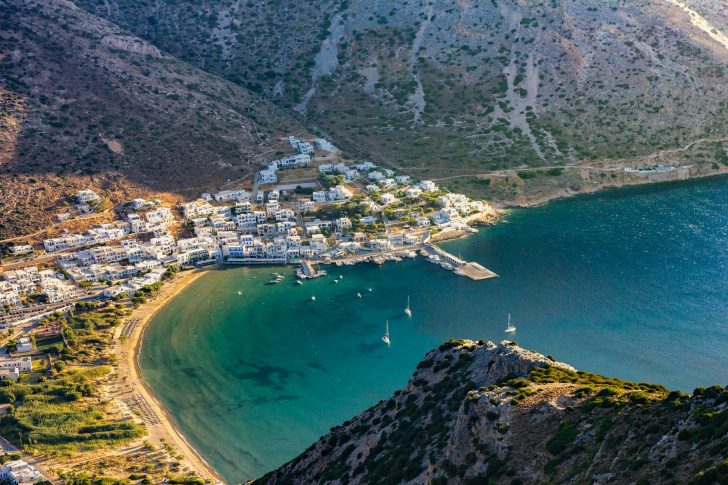
Cessati / Unsplash / Late April through mid-May is one of the smartest periods to visit Greece. The weather is warm enough for sightseeing and outdoor dining.
Plus, the crowds have not fully arrived. Hotel prices are often lower, and popular attractions feel far less hectic.
September is another excellent choice. The sea stays warm throughout the summer, while temperatures become more comfortable for walking and exploring. You can enjoy the same stunning scenery without competing with peak-season crowds at every viewpoint and ferry terminal.
Summer still attracts visitors from around the world. June, July, and August bring beach weather, lively festivals, and long sunny days. Popular islands such as Santorini and Mykonos are packed with energy during these months. They also come with higher prices and larger crowds.
However, winter offers a completely different side of Greece. Cities become quieter, museums are easier to enjoy, and local life takes center stage. Northern Greece even offers skiing opportunities for travelers who want something beyond beaches and islands.
The Best Places to Add to Your Itinerary
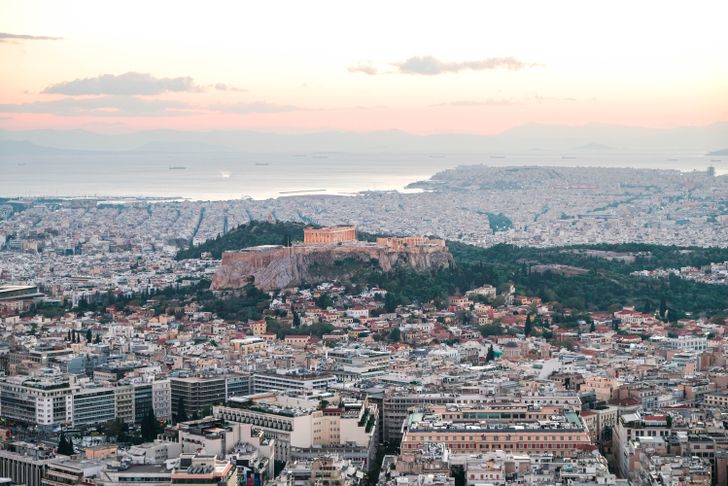
Jokassi / Pexels / Athens combines thousands of years of history with modern cafés, rooftop restaurants, and vibrant neighborhoods. Walking through Plaka feels like stepping into another era, while areas such as Kolonaki showcase a more contemporary side of the capital.
The Acropolis remains the star attraction for good reason. Standing above the city, it provides a powerful reminder of Greece’s influence on the ancient world. Visiting early in the morning helps you avoid both the strongest heat and the biggest crowds.
Beyond Athens, Meteora offers one of the most dramatic landscapes in Europe. Ancient monasteries sit atop towering rock formations that seem almost impossible to reach. The views are extraordinary, and the setting feels unlike anywhere else in Greece.
The climb can be challenging in places, but the reward is worth the effort. The combination of natural beauty and centuries of religious history creates an experience that stays with visitors long after they leave.
Santorini continues to attract travelers with its whitewashed buildings, blue domes, and famous sunsets. The island delivers spectacular views around nearly every corner. Restaurants perched above the caldera provide some of the most memorable dining settings in the country.
Essentials to Know Before You Depart
Travelers should stay informed before visiting Santorini and nearby islands such as Ios, Amorgos, and Anafi. Authorities remain attentive following seismic activity that began in 2025. Checking local updates before departure is a sensible step for anyone planning to visit the area.
Apart from that, the island also rewards food lovers. Family-owned tavernas serve traditional dishes made with local ingredients, creating meals that feel personal rather than commercial. Dining here often becomes a highlight of the trip.
Many travelers never make it to the Peloponnese, which is exactly why it feels so special. This large region combines ancient landmarks, mountain villages, olive groves, and beautiful coastlines. It offers a broader view of Greece beyond the island scene.