How the Chicago Cubs Became America’s Most Famous ‘Lovable Losers’
Every sports team has a story. Some are remembered for dynasties. Others are known for dramatic comebacks. The Chicago Cubs built a very different reputation. For decades, they became known as baseball’s “lovable losers,” a nickname that mixed frustration with affection.
The label grew from more than a century of heartbreak, unforgettable mistakes, and loyal fans who refused to give up. Movies, television shows, documentaries, and everyday conversations helped turn the Cubs into something much bigger than a baseball team. They became a symbol of hope, disappointment, and resilience.
That reputation lasted for generations. Even people who never watched baseball recognized the Cubs as the team that always seemed to come close but never quite finished the job. The nickname became part of American pop culture and remained strong until the team’s historic World Series victory in 2016.
A Century of Heartbreak Created the Legend
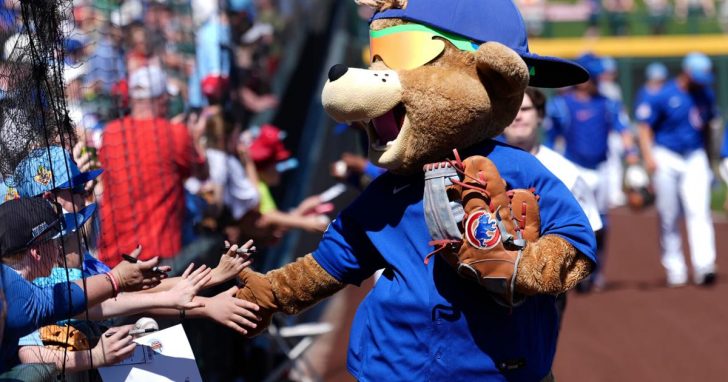
E News / The Cubs won the World Series in 1908. At the time, nobody imagined it would be their last championship for more than 100 years.
As season after season passed without another title, the drought became one of the biggest stories in professional sports.
Every promising season added another chapter to the growing legend. Fans entered each year believing things might finally change. Instead, they watched heartbreaking losses, missed opportunities, and painful playoff exits that kept the championship out of reach.
The long drought created an emotional connection between the team and its supporters. Cubs fans became famous for sticking by their team through every disappointment. That loyalty earned respect across the sports world, even from rival fans.
Pop culture quickly embraced the story. Television shows often joked about the Cubs’ inability to win. Movies used the team as shorthand for impossible dreams. Sports commentators repeated the “lovable losers” nickname until it became part of the franchise’s identity.
Steve Bartman Became the Face of a Bigger Story
No moment shaped the Cubs’ modern image more than Game 6 of the 2003 National League Championship Series. The Cubs stood just one win away from reaching their first World Series since 1945. Excitement filled Wrigley Field as fans sensed history was finally within reach.
Everything changed in a matter of seconds. A foul ball drifted toward the left-field seats. Fan Steve Bartman instinctively reached for it at the same moment left fielder Moisés Alou tried to make the catch. The ball tipped away, and the inning suddenly unraveled.
The Marlins scored eight runs and won the game. They also captured Game 7, ending another Cubs postseason run in heartbreaking fashion. Although many mistakes followed the foul ball, public anger focused almost entirely on Bartman.
He left the stadium under security protection after fans shouted insults and threw objects in his direction. Overnight, an ordinary baseball fan became one of the most recognizable figures in sports history. His name became linked with the Cubs’ long run of bad luck.
Documentaries later explored what happened that night. Alex Gibney’s “Catching Hell” examined how Bartman became a scapegoat for years of frustration that stretched far beyond one missed catch.
Pop Culture Kept the Myth Alive
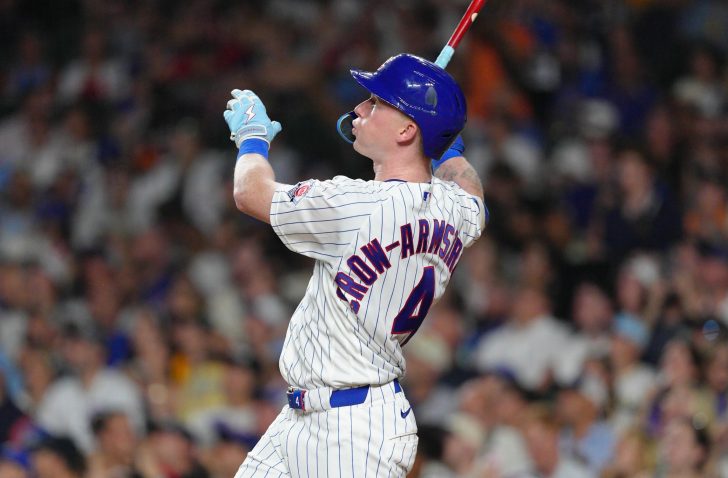
Cubs / IG / The Cubs’ story spread far beyond the baseball field because it connected with something universal. Everyone understands disappointment.
Television writers, filmmakers, comedians, and journalists repeatedly used the Cubs as a cultural reference. Mentioning the team instantly communicated bad luck, endless patience, and dreams that never seemed to come true. The nickname “lovable losers” became part of everyday language.
The Cubs were compared to other famous sports disappointments, including the Boston Red Sox before their championship in 2004. Still, the Cubs’ story stood apart because their championship drought lasted even longer. That made every close call feel even more dramatic.
However, everything changed in 2016. After 108 years without a World Series championship, the Cubs defeated the Cleveland Indians in a dramatic seven-game series. The victory erased one of the longest title droughts in American sports history.